As we get older, our bones naturally lose some of their strength. But for some people, this loss happens faster than normal, leading to a condition called osteoporosis — when bones become weak, brittle, and more likely to break. The good news is that it can often be prevented, and even managed, with the right lifestyle habits.
What is Osteoporosis?
Osteoporosis means “porous bones.” Inside, our bones look a bit like a honeycomb. When someone has osteoporosis, the holes and spaces in that “honeycomb” become much larger, making the bones weaker and easier to fracture, sometimes even from a small fall or bump.
Who is Most at Risk?
While anyone can develop osteoporosis, some people are more at risk. This includes:
- Women after menopause (due to lower oestrogen levels)
- Older men and women in general
- People who don’t get enough calcium or vitamin D
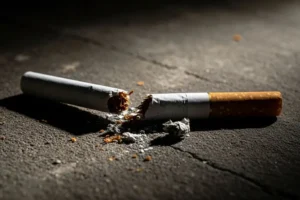
- Smokers and heavy drinkers
- Those who spend long periods inactive or bedridden
Warning Signs and Early Clues
Osteoporosis often develops silently. Many people don’t know they have it until they break a bone. However, some early clues include:
- Back pain caused by small spine fractures
- Losing height over time
- A stooped posture or curved upper back
How to Keep Bones Strong
- Eat calcium-rich foods: Milk, yoghurt, cheese, green leafy vegetables, and fish with soft bones like sardines.
- Get enough vitamin D: Your body needs it to absorb calcium. A few minutes of sunlight each day helps, or you can take a supplement if needed.
- Stay active: Weight-bearing exercises (like walking, dancing, or gentle jogging) help keep bones strong.
- Avoid smoking and heavy drinking: Both can speed up bone loss.
If your doctor recommends it, a calcium and vitamin D supplement can help support your bone health.
When to See a Doctor
If you’re over 50 or have risk factors, ask your doctor about a bone density test. Early detection allows you to take steps before serious fractures occur.
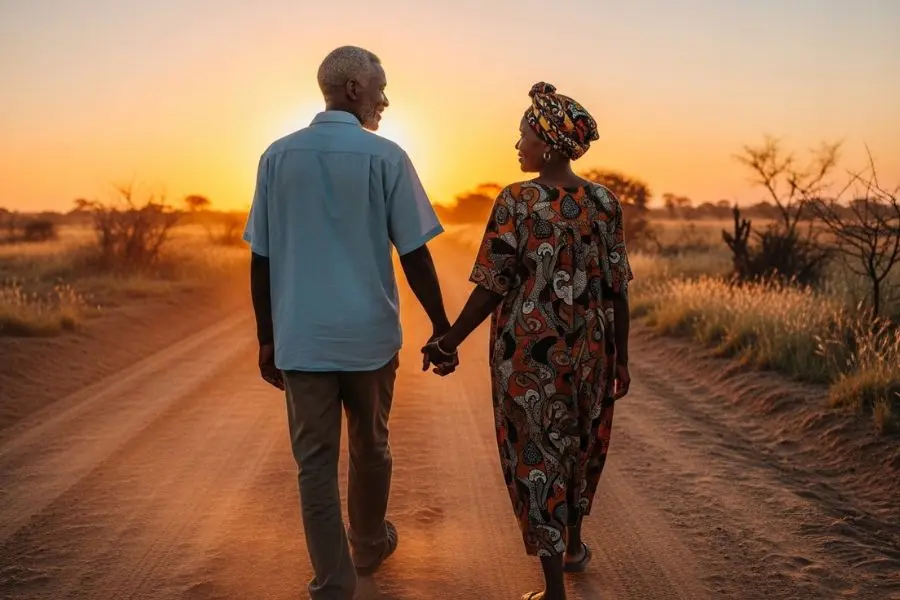
Taking care of your bones isn’t just about avoiding fractures, but about staying mobile, independent, and confident as you age.
References
https://www.niams.nih.gov/health-topics/osteoporosis
https://www.mayoclinic.org/diseases-conditions/osteoporosis/symptoms-causes/syc-20351968#